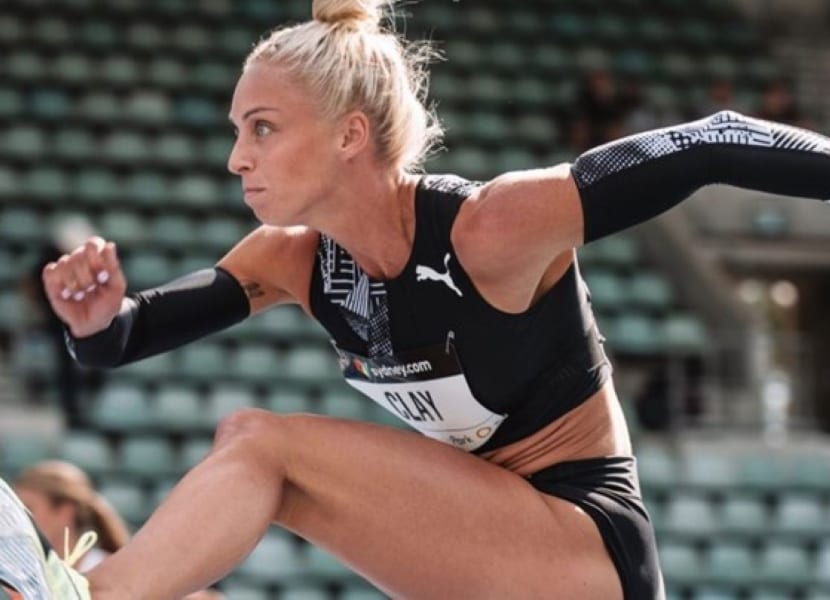


2020 should have been the year for many things, but most notably it was the year of the Tokyo 2020 Olympics. As is always the case with the Olympics, the event promised to unify the world as athletes took to sport’s biggest stage in the hope of glory. Regardless of the outcome, each event promises to deliver the full spectrum of human emotion. Win or lose, there are those who emerge victorious, others who suffer painful tragedy on race day, and the select few who hold on for dear life, refusing to break before their opponents. The Olympics have always stood as a true test of character, of the very heart of sport: the grit and determination that is demanded of athletes, and the countless sacrifices made along the way, that remain merely an afterthought to a second of glory.
But when the global pandemic saw the Olympics postponed to 2021, athletes suddenly found themselves occupying a strange position in history. Never before had the sporting calendar remained empty for so long, and for some their very identities were called into question as the return to sport as we once knew continues to evade us. One Aussie star navigating this terrain is Liz Clay, a 100m sprint hurdler commanding attention on the track.
When the mind first thinks of the 100m hurdles, Sally Pearson tends to come to mind. But as Clay is showing, the next line-up of star talent it here and it’s Clay that’s leading the way. Having achieved the automatic qualifying standard for the Tokyo Olympics with a time of 12.72, Clay is now gearing up for the event. With her trademark enthusiasm and infectious energy, Clay admits that anything is possible. Rather than see limitations and obstacles, it appears Clay isn’t one to limit herself and as we edge closer to the Olympics, she’s doing all she can to give it her best shot. We sat down with Clay to hear about her preparation for the Olympics, how she chooses to fuel her body and how she came to find balance within the sport of track.

Liz Clay: I first got into running because my younger brother was doing little athletics on Saturday mornings and I wanted to join in rather than just watch. I think I fell in love with hurdles because I had a knack for it and I found it more challenging than 100m or 200m. I had great rhythm and strength from my years of dancing which fit perfectly into this event.
It’s awesome to have had an Australian female world champion and olympic champion in my event and gives me hope that it’s not out of reach for myself in the future. Some of best friends have competed at the highest level in track and field and I look up to them every day. Outside of athletics there are so many female athletes absolutely killing the game at the moment and I feel blessed to be coming into that territory also.
I was obviously devastated. I had just had a huge breakthrough of my own in February 2020 and was looking good to finally finish off a successful season and secure a spot on the team. I moved back to Sydney during the first few months of covid so it was nice to have a change in routine and location and be living in the same state as some of my close friends once again. I think all these elements actually distracted me from the reality that the games were postponed. Once I moved back to the gold coast in June I just picked up training where I left off and started to reap the rewards of having an extra year to prepare.
I train 6 days per week: 4 track sessions, 2-3 gym sessions, 2 pool sessions and often some yoga as well. In the gym we lift heavy 2 times per week and I actually credit a lot of my breakthrough this year to an improvement in my strength. We do deadlifts and power-cleans weekly as our two main exercises as well as plenty of upper body and core work. Essentially the stronger you are, the faster you can run so these two components go hand in hand. My favourite session is Monday hurdles. We do some starts over the first hurdle out of blocks and then a handful of reps out to 10 hurdles and I just love the thrill of getting it right and going fast.
The lead up to Tokyo is much the same for me as it has been all year, however I've been substituting my snacks for healthier options like YoPRO's high-protein yoghurt to keep my diet a little cleaner.
I have also tried to start putting more focus into good hydration habits as Tokyo will be very hot and humid in July/August. Funnily enough before some of my best races ever I’ve had pizza the night before! However on the day of my races I like to keep my diet super simple and easy to digest. Again YoPRO yoghurt is great fuel for me and then I always have a protein shake waiting for me at the end. Diet will be a key element in Tokyo as there is the potential for 3 races on back-to-back days.
I think a lot of people know my story very well, however one misconception might be that when things started to turn around for me it was because I started training harder and put more emphasis on training. Although I did move track to be the top priority in my life, I started to have more of a balance and enjoy life outside of running. I stopped sweating the small stuff and just made sure I was getting through the weeks of solid training and working on weaknesses which were holding me back, rather than running myself into the ground every day. I think this balance really helped me to have fewer major injuries and put my career on a better trajectory.

The biggest challenge for me has been injuries. I had 4-5 years where I had a major injury taking me off the track for over 6 weeks or longer, so I could never develop any consistency in training and therefore couldn’t improve. There were some really dark times where the only thing I could tell myself was “it will pass” even if the light at the end of the tunnel was so small. I definitely used this mentality during covid when it seemed like we were training for races that were never coming. Especially when I had just gone through 12-18+ months of training with not many races or travel.
Nerves are a part of the sport and i’ve learned that you have to just accept them, rather than try to get rid of them - it’s impossible. Again I keep my routine on race day really simple and similar to a training day. Breakfast and coffee first and then keep my mind active until its time to go.
Article by Australian Women's Health











Coles Little Athletics Australia acknowledges and pays respect to all traditional custodians of the lands of which we work, run, jump and throw throughout Australia. We pay respect to elders both past, present and emerging.
We are committed to a positive future for all Aboriginal and Torres Strait Islander communities and to honor their ongoing cultural and spiritual connections to this country and recognize the role and value of culture.